
A Guide to Getting the Perfect Lawn
- gbdmaintenance

- 2 days ago
- 6 min read
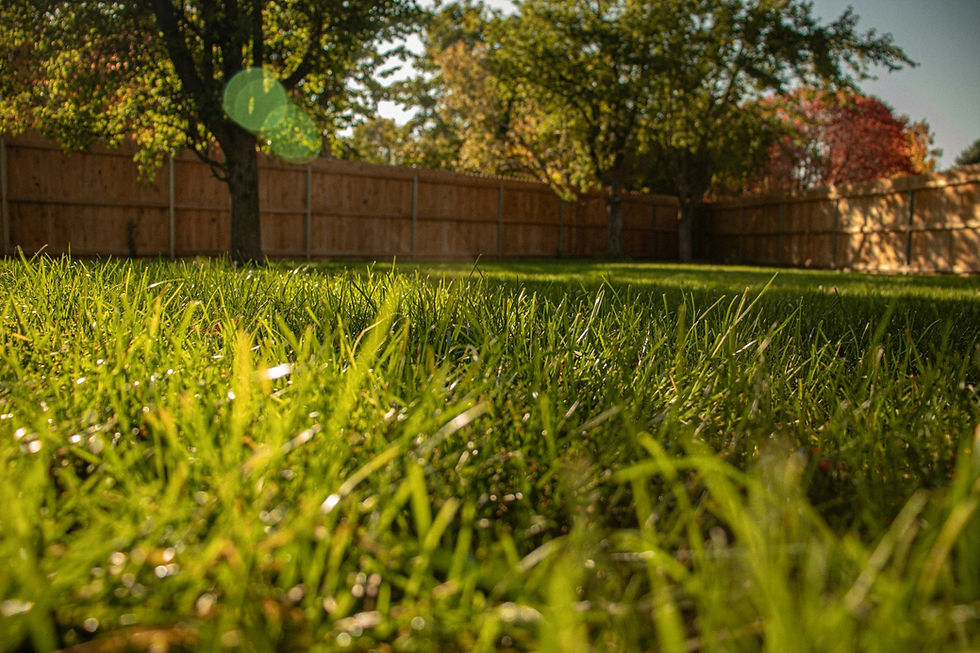
A healthy, green lawn can completely change the look of a garden. Whether it's a small patch of grass behind a terraced house or a large family garden, a well-maintained lawn creates a cleaner, brighter outdoor space.
But getting a great lawn isn't simply about cutting the grass every weekend.
Mowing height, watering, feeding and even the way you deal with moss can all affect how your lawn looks. With a little regular maintenance and the right approach, tired or patchy grass can often be brought back to life.
Here is our guide to getting the perfect lawn.
Don't Cut the Grass Too Short
One of the most common lawn care mistakes is cutting grass too short.
It can be tempting to lower the mower and remove as much growth as possible, particularly if you want to avoid mowing again the following week. However, repeatedly scalping a lawn can weaken the grass and leave it more vulnerable to dry weather, weeds and moss.
As a general rule, avoid removing more than around a third of the grass height in a single cut.
Regular, lighter mowing encourages healthier growth and usually creates a thicker-looking lawn.
Mow Regularly
A good lawn benefits from regular mowing during the growing season.
Grass growth naturally speeds up during warmer and wetter periods, so you may need to mow more frequently during spring and early summer.
Rather than sticking rigidly to the same schedule throughout the year, pay attention to how quickly the grass is growing.
Regular mowing helps maintain an even height and encourages the grass to grow more densely.
Just remember that the aim isn't to cut the lawn as short as possible.
Keep Your Mower Blades Sharp
The condition of your mower can make a noticeable difference to the lawn.
Sharp mower blades cut grass cleanly. Blunt blades can tear the grass, leaving frayed ends and giving the lawn a rough or slightly brown appearance.
If the grass looks ragged shortly after mowing, your mower blade may need sharpening or replacing.
Keeping your mower properly maintained doesn't just improve the finish. It can also help reduce unnecessary stress on the grass.
Change the Direction You Mow
Try not to mow your lawn in exactly the same direction every time.
Grass can gradually begin to lean in the direction it is regularly cut, and mower wheels repeatedly travelling over the same route can create worn areas.
Changing your mowing pattern helps encourage the grass to stand more upright.
Mow lengthways one week and across the lawn the next.
If you're trying to create visible stripes, alternate the mowing direction between each pass.
Give the Edges Some Attention
A freshly cut lawn can still look untidy if the edges are overgrown.
Grass growing into flower beds, across paving or around garden borders can soften the outline of the lawn and make the whole area look less maintained.
Use edging shears or a suitable grass trimmer to tidy areas the mower cannot reach.
Clean lawn edges create a surprisingly big visual difference.
Sometimes the neat finish around the lawn is what makes the mowing itself look professional.
Water Deeply Rather Than Little and Often
During dry periods, lawns may need additional water.
A quick spray across the surface every day isn't always the best approach. Light watering can encourage grass roots to remain close to the surface.
Deeper watering allows moisture to reach further into the soil and can encourage stronger root development.
Watering early in the morning is usually best, as less moisture is lost through evaporation than during the hottest part of the day.
Of course, British weather often takes care of the watering for us.
But during prolonged dry spells, a little extra attention can help prevent a lawn becoming excessively dry.
Feed Your Lawn
Grass needs nutrients to grow.
Over time, regular mowing and natural growth can reduce the nutrients available in the soil. Lawn feeds are designed to replace some of these nutrients and support healthier grass.
Different lawn treatments are available for different times of year.
Spring and summer feeds often encourage stronger green growth, while autumn lawn treatments are generally designed to support root development and prepare grass for colder conditions.
Always follow the instructions on the product you're using.
Applying too much lawn feed can damage or scorch the grass.
Deal with Moss
Moss is a common problem in British gardens.
Shaded areas, compacted soil and poor drainage can all create conditions where moss thrives.
Simply removing the moss may improve the lawn temporarily, but it is worth considering why it appeared in the first place.
If an area remains permanently wet or receives very little sunlight, the underlying conditions may need attention.
Scarifying can help remove moss and dead material from the lawn, allowing more air and moisture to reach the soil.
For heavily affected lawns, this can make a significant difference.
Scarify When Needed
Over time, a layer of dead grass, moss and organic material can build up around the base of the lawn.
This layer is known as thatch.
A small amount of thatch is normal, but too much can prevent water, air and nutrients from reaching the soil effectively.
Scarifying removes some of this material.
The lawn can look worse immediately afterwards. This often surprises people.
However, once the grass begins to recover, scarifying can encourage healthier and denser growth.
Timing is important, and scarifying is best carried out when the grass is actively growing and able to recover.
Aerate Compacted Soil
Lawns receive a lot of foot traffic.
Children playing, pets running and regular walking across the same areas can gradually compact the soil.
Compacted ground makes it more difficult for air, water and nutrients to reach the grass roots.
Aeration involves creating small holes in the lawn to improve movement through the soil.
For a small garden, this can sometimes be done with a garden fork. Larger lawns may benefit from specialist aeration equipment.
Areas with heavy clay soil can particularly benefit from attention to compaction and drainage.
Repair Bare Patches
Bare patches can appear for many reasons.
Heavy foot traffic, pets, garden furniture and dry weather can all damage sections of a lawn.
Start by loosening the soil in the affected area and removing dead grass or debris.
Grass seed can then be applied and lightly worked into the surface.
Keep the area moist while the new grass establishes and avoid walking across it where possible.
Matching the grass seed to the existing lawn can help create a more even appearance.
Keep Weeds Under Control
A few weeds in a lawn are completely normal.
However, if weeds begin to dominate large areas, they can compete with grass for space and nutrients.
Small numbers of weeds can often be removed by hand, particularly if you remove the root.
For larger problems, suitable lawn treatments may be needed.
The best defence against many lawn weeds is often a healthy, dense lawn. Thick grass leaves less open soil for weed seeds to establish.
Don't Forget About Drainage
Persistent puddles and permanently wet areas can make it difficult to maintain healthy grass.
Poor drainage can encourage moss and leave the lawn muddy during wetter months.
Aeration may help in some cases, particularly where soil has become compacted.
More serious drainage problems may require additional work.
If one area of your lawn remains waterlogged long after the rest has dried, it is worth investigating the cause rather than repeatedly reseeding the grass.
Give Your Lawn Time
There is rarely an overnight fix for a tired lawn.
Grass needs time to respond to changes in mowing, feeding and soil conditions.
A lawn that has been neglected for several years may need a full growing season or longer to improve significantly.
Regular maintenance usually produces better results than occasional aggressive treatments.
Mow little and often, deal with problems as they appear and give the grass time to recover.
A Better Lawn Starts with Regular Maintenance
The secret to a great lawn isn't one expensive treatment or a single weekend of hard work.
It's consistency.
Regular mowing, tidy edges, healthy soil and dealing with moss or bare patches early can make a huge difference to the appearance of your garden.
At GBD Maintenance, we provide professional garden and grounds maintenance services across Sheffield. From regular grass cutting and lawn maintenance to overgrown gardens and general outdoor upkeep, we can help keep your garden looking its best.
If your lawn needs a little attention, get in touch with GBD Maintenance and let us take care of the hard work.
Contact for quotes in Sheffield.


Comments